How Does a Dehumidifier Work?
March 27, 2026
Moiswell Team
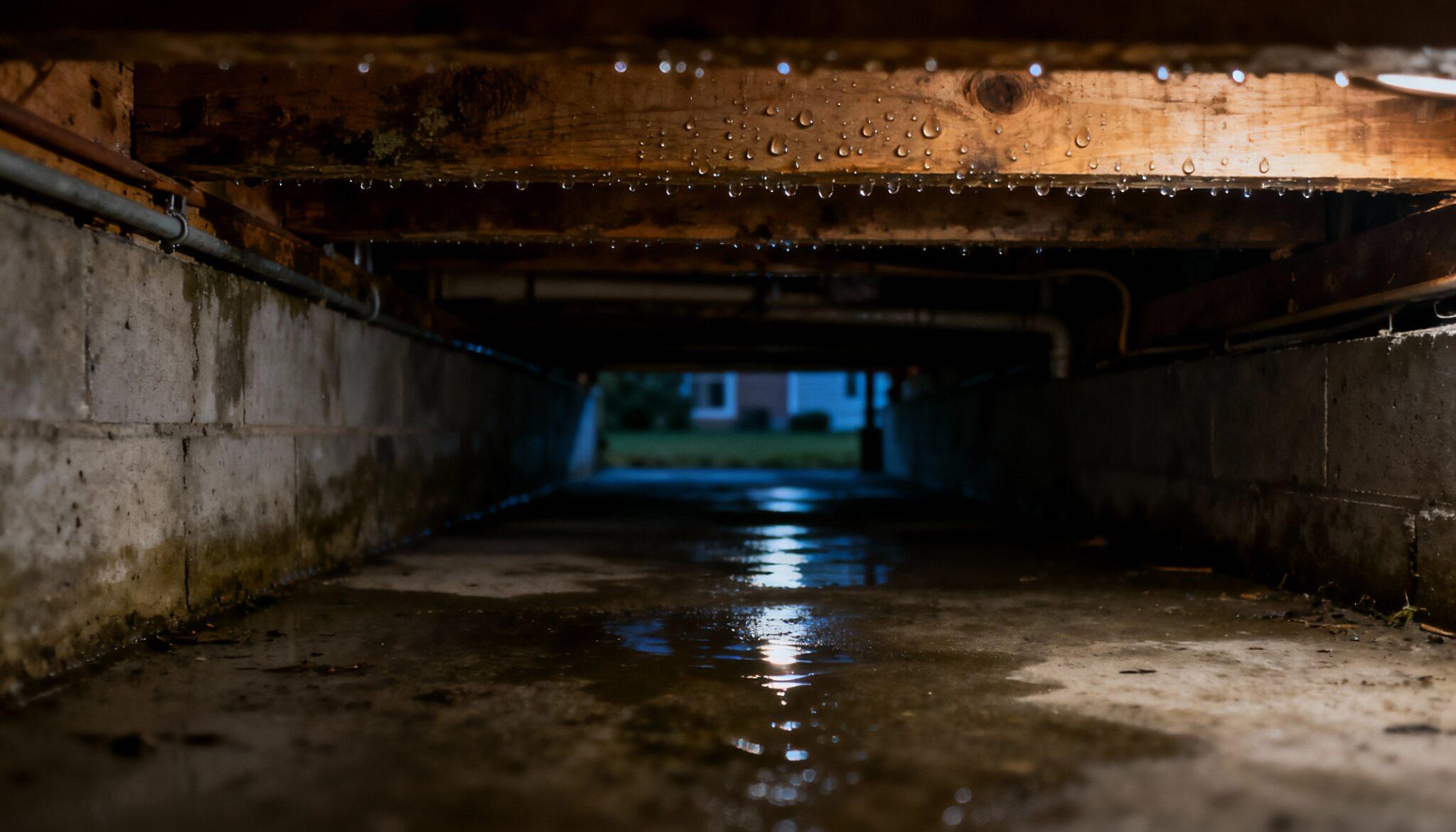
Have you ever wondered how a small dehumidifier can transform a damp, musty basement into a dry and comfortable space?
How exactly does it pull moisture out of the air?
The principle behind a dehumidifier is actually quite simple. In short, it separates moisture from the air through condensation. Let’s break it down step by step.

Why This Matters?
Understanding how a dehumidifier works can help you choose and maintain the right unit:
Ambient Temperature Affects Performance – The evaporator coil requires sufficient temperature difference to condense moisture effectively. When ambient temperatures are too low (below approximately 60°F / 15°C), frost may form on the coil, and the unit will automatically enter a defrost mode. During defrosting, dehumidification efficiency temporarily decreases—this is not a malfunction, but a normal part of the process.
Air Circulation Is Key – A dehumidifier relies on good airflow to cover the entire space. Placing it in a corner or blocking the intake or exhaust vents will significantly reduce its effectiveness.
Drainage Method Matters – For basements or crawlspaces, choosing a model that supports gravity drainage or a built-in condensate pump eliminates the need for frequent manual draining.
Moiswell Dehumidifiers: Turning Principles into Reliable Performance
At Moiswell, we combine this proven dehumidification principle with high-quality core components to deliver reliable solutions for homes, basements, crawlspaces, and more:
High-Efficiency Compressor and Refrigeration System – Ensures consistent condensation performance, backed by a 2-year full warranty and a 5-year limited warranty on the refrigeration system.
Multiple Drainage Options – Select models support external hose connections or built-in condensate pumps to accommodate different installation environments
Conclusion:
At its core, a dehumidifier operates on a simple cycle: condensation → drainage → reheating and discharge. Thanks to this stable physical process, we can transform damp, stuffy, mold-prone spaces into dry, comfortable, and healthy environments.
If you're looking for a reliable dehumidifier for your basement, crawlspace, or storage area, start by understanding how it works—you may find that choosing the right unit is simpler than you think.