Why Are Bugs Attracted to Humid Spaces? The Role of Moisture Control
June 24, 2026
Moiswell Team
Many homeowners and business owners focus on keeping insects out by sealing cracks, using traps, or applying pesticides. However, one often-overlooked factor that attracts pests is excess humidity. High moisture levels create an environment where many insects can thrive, making humidity control an important part of any pest prevention strategy.

Why Do Bugs Like Humid Environments?
1. Moisture Provides Essential Water Sources
Just like humans, insects need water to survive. High humidity and condensation can create tiny water sources throughout a building, allowing pests to thrive even when there are no obvious leaks or standing water.
2. Damp Areas Create Ideal Hiding Places
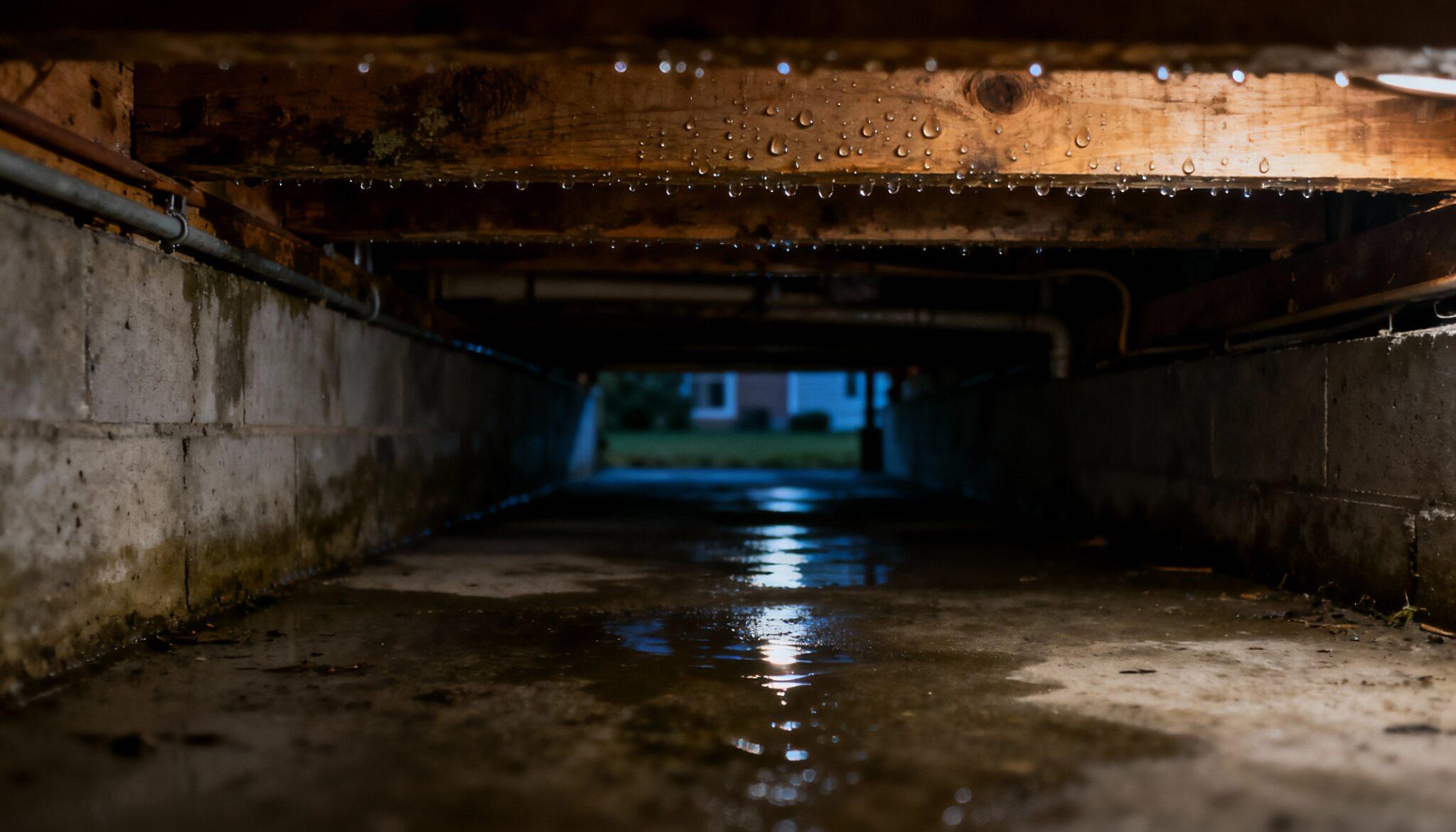
Basements, crawl spaces, storage rooms, and utility areas often experience elevated humidity levels. These damp, dark environments provide excellent hiding spots for insects and other pests.
3. Mold and Organic Growth Attract Insects
Excess moisture often leads to mold, mildew, and decaying organic matter. Many insects feed on these materials or are attracted to the environments where they grow.
What Pests Are Attracted to High Humidity?
1. Cockroaches
Cockroaches are strongly attracted to warm, humid environments. They commonly hide in basements, crawl spaces, laundry rooms, and other moisture-prone areas where water is readily available.
2. Silverfish
Silverfish thrive in environments with humidity levels above 75%. They are frequently found in basements, bathrooms, and storage areas where excess moisture is present.
3. Termites
Although termites primarily feed on wood, they are also attracted to moisture. Damp wood is easier for termites to infest, making humidity control an important step in protecting structures from costly damage.
4. Spiders and Other Insects
While spiders aren't directly attracted to humidity, they are attracted to areas where their prey gathers. Reducing humidity often reduces insect populations, making the environment less appealing to spiders as well.
How Humidity Control Helps Prevent Pest Problems
1. Reduces Moisture Sources
Lower humidity levels make it harder for insects to find the moisture they need to survive. This can discourage pests from settling inside your home or commercial facility.
2. Prevents Mold and Mildew Growth
By controlling humidity, you can reduce mold growth that often attracts insects and contributes to poor indoor air quality.
3. Creates a Less Favorable Environment
Most indoor pests prefer humidity levels above 60%. Maintaining indoor humidity between 40% and 50% can make your space significantly less attractive to unwanted insects.
The Role of Dehumidifiers in Pest Prevention
For areas that naturally experience high humidity—such as basements, crawl spaces, warehouses, storage facilities, and commercial buildings—a dehumidifier can be one of the most effective long-term solutions.
Commercial dehumidifiers like the Moiswell VP170, VP190, and XP235 help remove excess moisture from the air, creating a drier environment that discourages pest activity while also protecting buildings from mold, mildew, and moisture damage.
By maintaining proper humidity levels year-round, a dehumidifier can become an important part of a comprehensive pest prevention strategy.
High humidity can attract a variety of pests by providing the moisture and environmental conditions they need to survive. From cockroaches and silverfish to termites and mold-related insects, many pest problems begin with excess moisture. Controlling indoor humidity through proper ventilation and dehumidification can help create a healthier, more comfortable, and pest-resistant environment.