After the Storm: How to Efficiently Restore Your Home – Moiswell Dehumidifier Helps You Dry Fast
April 17, 2026
Moiswell Team
Every year, thousands of storms occur in the United States, and about 10% of them reach severe levels. After a storm, homes may face multiple types of damage: flooding, wind damage, hail damage, and more. Faced with such destruction, how can you systematically and efficiently complete the restoration? This article walks you through the complete storm repair process, with a special focus on the irreplaceable role of the Moiswell dehumidifier in the drying step.

1. Common Types of Storm Damage
| Type | Typical Signs |
|---|---|
| Flooding / Water Damage | Water seeps into walls, floors, and basements, causing wood swelling, mold growth, and foundation damage |
| Wind Damage | Roof shingles torn off, broken windows, fallen trees, damaged exterior walls |
| Hail Damage | Dents and cracks on roofs, siding, AC units, and vehicle surfaces |
No matter the type, water is often the most difficult issue to handle afterward. Once a home has taken in water, it must be thoroughly dried; otherwise, structural decay and health hazards will follow.
2. Standard Storm Repair Process (10 Steps)
Assess the damage – List specific issues with the roof, walls, windows/doors, flooring, electrical, and plumbing.
Contact professionals – Notify your insurance company, schedule contractors, and call emergency services if needed.
Ensure safety – Wear protective gear (gloves, goggles, hard hat, steel-toe boots) and barricade hazardous areas.
Clear debris – Remove broken glass, branches, and damaged furniture.
Repair roof and walls – Temporarily seal holes and replace damaged shingles.
Restore electrical and plumbing – Have licensed electricians/plumbers handle this.
Dry wet areas – This is the critical step where Moiswell dehumidifiers play a key role.
Repair or replace flooring
Address mold and mildew
Final inspection
3. Why Is Step 7 “Drying” So Important? How Does Moiswell Help?
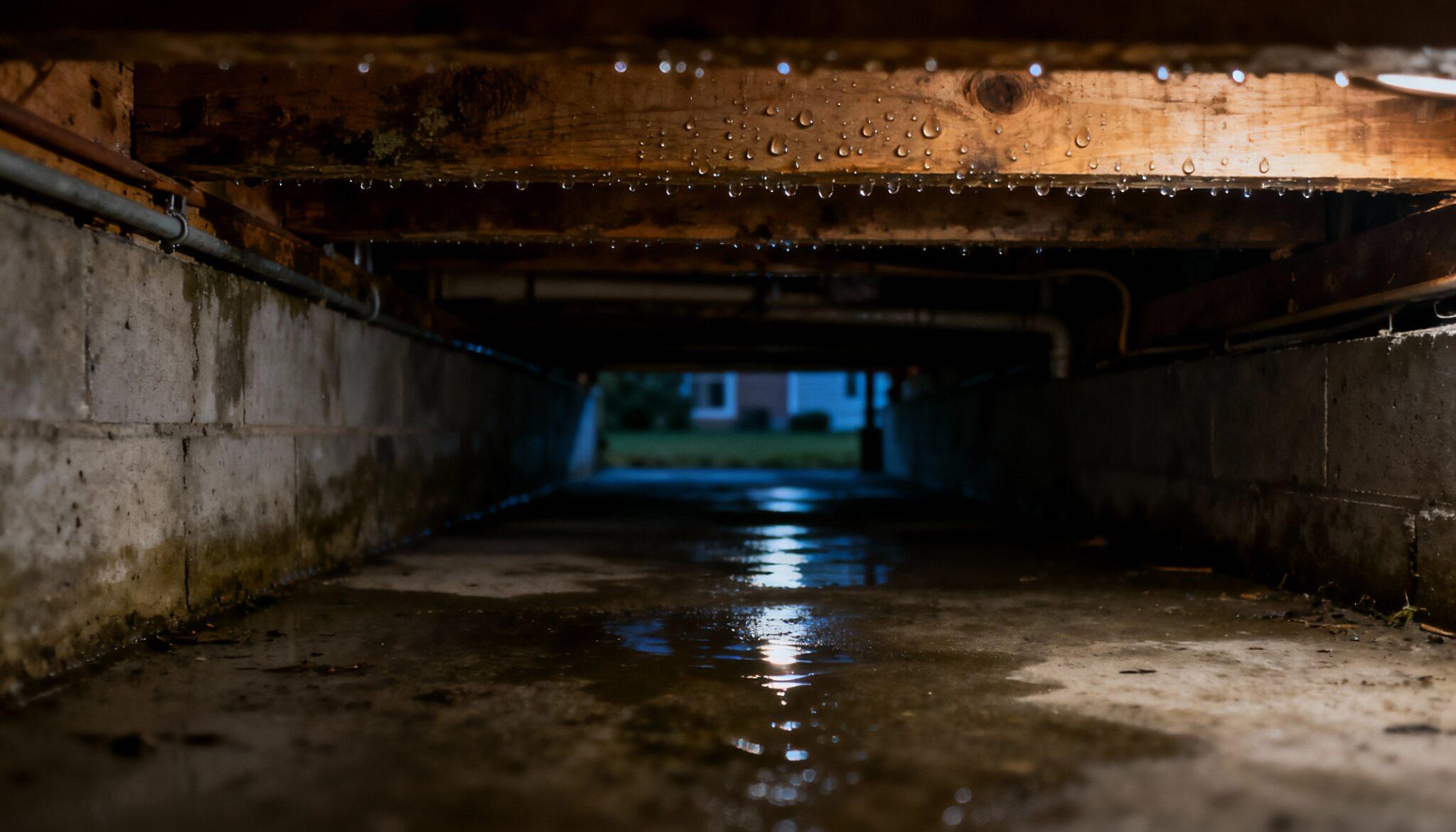
After a storm, basements, crawl spaces, and even first-floor rooms often have standing water or moisture. Even after removing the visible water, large amounts of moisture remain inside wood, concrete, and insulation. Without thorough drying:
Solid wood floors will warp and crack
Laminate flooring will swell and delaminate
Black mold will grow inside walls
Structural metal components will rust
Ordinary fans only dry the surface, while a high-performance dehumidifier actively extracts moisture from the air, accelerating deep drying.
Moiswell Recommended Procedure:
Placement – Place your Moiswell dehumidifier (e.g., Defender series) in the center of the room or at the lowest point of the basement, ensuring at least 12 inches of clearance around the unit for proper airflow.
Mode setting – Select continuous dehumidification mode, set target humidity to 30%–40%, and turn the fan to the highest speed.
Run time – Run continuously for at least 48–72 hours; extend to one week depending on the severity of moisture.
Combine with fans – Place 2–4 industrial fans around the room, angled at 45 degrees toward walls and floors to create circulating airflow.
Monitor humidity – Use a moisture meter to check different locations until the wood moisture content drops to below 12%.
Why Choose Moiswell?
Our dehumidifiers are equipped with efficient compressors and hydrophilic aluminum condensers. They work steadily even in low-temperature, high-humidity environments (such as basements), running 24/7 to effectively prevent mold growth and secondary damage.
4. Other Moiswell Applications in Storm Repair
Basement flooding – Place the Moiswell dehumidifier at the deepest point and turn it on immediately after pumping out standing water.
Crawl space – Use our compact horizontal dehumidifier, which can be hung from floor joists without taking up floor space.
Drying before renovation – Before replacing flooring or redoing walls, use the dehumidifier to lower ambient humidity to below 40%, ensuring new materials stay dry.
5. Insurance Claim Tips
Storm damage is typically covered by homeowner’s insurance. To help your claim go smoothly:
Take photos/videos – Document all water stains, cracks, and moldy areas.
Keep receipts – Including the purchase receipt for your Moiswell dehumidifier (as emergency equipment).
Keep a log – Record daily run time and water extraction volume to show your insurer that you took proactive drying measures.
6. Prevention Is Better Than Cure – Let Moiswell Protect Your Home
Before the next storm arrives, why not equip your home with a Moiswell dehumidifier in advance? Whether dealing with an occasional leak or controlling year-round basement humidity, our products automatically maintain the ideal environment, greatly reducing the difficulty and cost of post-storm repairs.
Visit the Moiswell official website today to find the right dehumidifier for your home. Order now and enjoy limited-time discounts and a 5-year warranty!
Conclusion
Storm repair is a systematic process, and the drying step directly determines whether your home will suffer from mold and structural problems in the years to come. A reliable Moiswell dehumidifier is the most trustworthy tool for this critical step.
Protect your home – start with Moiswell.