What Is the Best Way to Dehumidify an Indoor Pool?
April 3, 2026
Moiswell Team
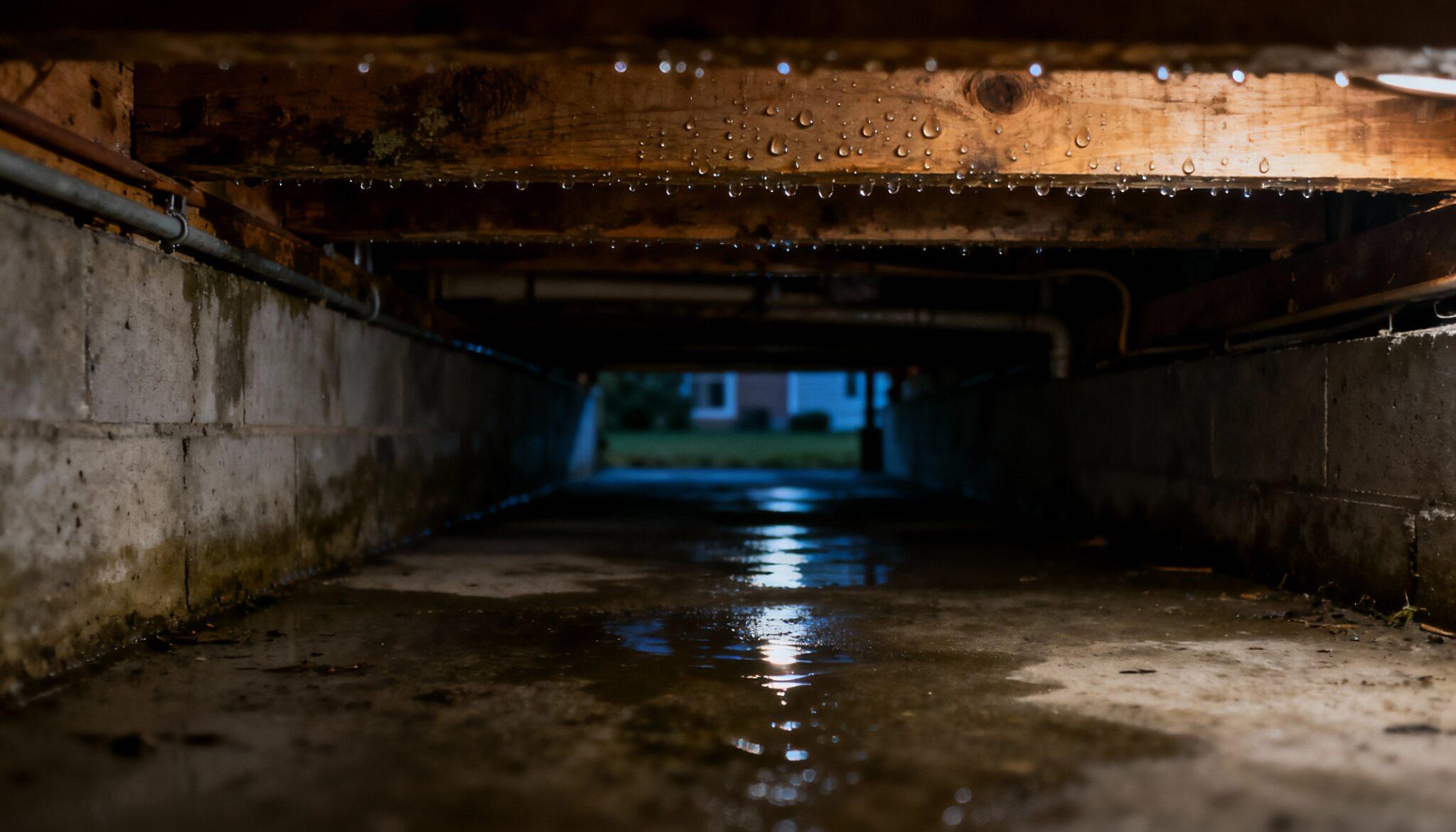
Indoor pools allow for year-round swimming enjoyment, but they also present a unique challenge: humidity control. Pool environments are naturally humid, but excessive moisture can lead to foggy windows, peeling paint, and even structural decay. Left uncontrolled, high humidity in an indoor pool area can result in an uncomfortable atmosphere, costly facility damage, and potential health risks.
So, what is the best way to dehumidify an indoor pool? In this guide, we will explore effective solutions and explain why proper indoor pool dehumidification is essential for maintaining a safe, comfortable, and durable pool environment.

Why Is Proper Dehumidification Important for Indoor Pools?
An indoor pool is more than just a recreational facility — it is an investment. Without adequate humidity control, high humidity can cause:
- Structural damage : Moisture penetrates walls, ceilings, and floors, leading to long-term corrosion and decay.
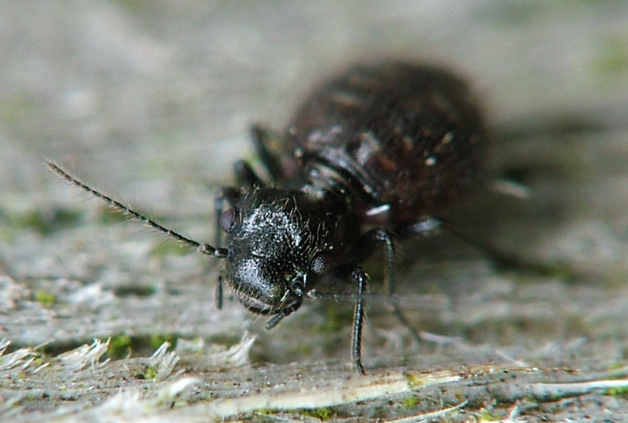
- Health risks : Mold and dust mites thrive in humid conditions, triggering allergies and respiratory issues.
- Discomfort : Sticky, heavy air makes the pool area feel stuffy and unpleasant, diminishing the user experience.
- Higher energy costs : Overworked HVAC systems consume more energy, driving up expenses.
- Mold growth – Not only damages surface materials but also degrades indoor air quality.
Investing in a reliable dehumidification system protects your property, lowers maintenance costs, and creates a healthier, more enjoyable space for swimmers.
How Does a Pool Dehumidifier Work?
A pool dehumidifier captures warm, moist air from the surface of the pool water, removes excess moisture, and recovers the heat generated during the condensation process. This recovered heat is then returned to the pool area — either to warm the air or, in some systems, to heat the pool water. Unlike standard dehumidifiers, a dedicated pool dehumidifier does not blow cold, dry air into the space, ensuring a comfortable environment year-round.
What Is the Best Way to Dehumidify Your Indoor Pool?
Below are several of the most effective methods for controlling humidity in an indoor pool environment.
1. Install a Dehumidifier
The most reliable solution is to install a dehumidifier for pool environments. Moiswell dehumidifiers are engineered to handle high moisture loads and offer the following features:
- High moisture removal capacity :Industrial-grade performance suitable for large spaces.
- Energy efficiency :Modern technology reduces operating costs.
- Durability :Corrosion-resistant components designed for humid, chlorine-laden air.
By installing a dedicated dehumidifier, you can prevent mold, corrosion, and structural damage while maintaining ideal humidity levels.
2. Improve Ventilation
Good ventilation works hand in hand with dehumidification. Exhaust fans and air exchangers help expel humid air and introduce drier, fresher air. Recommendations for optimizing ventilation:
- Install exhaust fans in moisture‑prone areas.
- Ensure smooth air circulation throughout the entire pool space.
- Combine a ventilation system with a Moiswell dehumidifier for complete humidity control.
3. Use a Pool Cover
When the pool is not in use, a pool cover is one of the simplest and most effective ways to reduce water evaporation. Its benefits include:
- Significantly reducing moisture released into the air.
- Reducing the workload on your dehumidifier.
- Saving energy by retaining heat and reducing the need for continuous reheating.
4. Optimize Air and Water Temperatures
Balancing air and water temperatures is key to reducing evaporation. Recommended settings:
- Pool water temperature: 78°F – 82°F (25.5°C – 27.8°C)
- Air temperature: Slightly higher than water temperature
This approach reduces evaporation, lessens the burden on your dehumidifier, and prevents condensation on windows and walls.
What Should Indoor Pool Humidity Be?
Experts recommend maintaining relative humidity between 50% and 60% to ensure comfort and safety. Moiswell dehumidifiers are equipped with automatic humidity control, making it easy to maintain the ideal humidity balance.
How to Choose the Right Dehumidifier for Your Pool Area
When selecting a dehumidification system, consider the following factors:
- Pool size and layout: Larger spaces require higher dehumidification capacity.
- Advanced features: Look for features such as remote control and automatic humidity management. Moiswell offers precise, hands-free operation.
- Energy efficiency: Choose a unit that reduces long‑term operating costs.
- Corrosion resistance: Pool environments are harsh; Moiswell dehumidifiers are built for durability.
- Noise level: Low noise operation helps create a relaxing poolside atmosphere.
So, what is the best way to dehumidify an indoor pool? The answer is clear: invest in a high-quality, purpose-built dehumidification system.
By maintaining proper humidity levels, you can protect your pool area, enhance comfort, and reduce operating costs.
Ready to take control of your indoor pool environment?
Visit moiswell.com to explore our range of dehumidifiers for pools, basements, and commercial spaces. Don’t let humidity compromise your pool experience — shop now and breathe easier with Moiswell.