Wood Floor Water Damage? Let Moiswell Dehumidifier Help You Restore It
April 17, 2026
Moiswell Team
Water damage to your wood floor – whether from a washing machine leak, burst pipe, or heavy rain – is a stressful situation for any homeowner. If not addressed quickly, the floor can warp, develop mold, or even need complete replacement. Fortunately, with the right approach and a high-performance dehumidifier, you have a good chance of saving your beloved wood flooring.
Today, we’ll walk you through a complete step-by-step restoration process and explain the critical role a Moiswell dehumidifier plays in it.

Step 1: Safety First – Cut Off Water and Power
Before handling any standing water, make sure the area is safe.
Turn off electricity – If water is near outlets or appliances, shut off power to the affected area at the main circuit breaker to prevent electric shock.
Stop the water source – If the leak comes from a pipe or appliance, close the main water valve or turn off the appliance.
If the water level is high or the situation is complicated, contact a professional immediately. Do not walk into flooded areas.
Step 2: Remove Standing Water and Wet Items
Use a pump, a wet/dry shop vacuum, or old towels to remove all visible water from the floor. At the same time, move out carpets, furniture, cardboard boxes, and any other items from the room – they can keep releasing moisture into the wood floor.
Step 3: Clean the Wood Surface
After removing the water, dirt, sand, and bacteria remain on the surface and in the gaps of the floor. Use a non-foaming sanitary cleaner and a soft brush to gently scrub the floor. Then use a wet vacuum to extract the dirty water. Rinse with clean water and vacuum again.
Step 4: Critical Step – Deep Drying with a Dehumidifier
This is the most important and effective part of the whole restoration process.
Even when the floor surface feels dry, moisture can still be trapped inside the wood planks and in the subfloor underneath. Ordinary fans only remove surface moisture, but a high-capacity dehumidifier extracts water vapor from the air, speeding up the drying process from the inside out.
Moiswell Recommended Procedure:
1.Place your Moiswell dehumidifier (such as the Defender series) in the center of the room, ensuring enough clearance around the unit for proper airflow.
2.Set the dehumidifier to continuous mode or a target humidity of 30%–40%, and turn the fan to the highest speed.
3.Run the unit continuously for at least 24–48 hours. You can also use fans to improve air circulation.
Why Choose Moiswell?
Our dehumidifiers are built with powerful compressors and efficient condensing systems. They quickly lower indoor humidity, helping to prevent mold growth and wood deformation.
Step 5: Increase Air Circulation
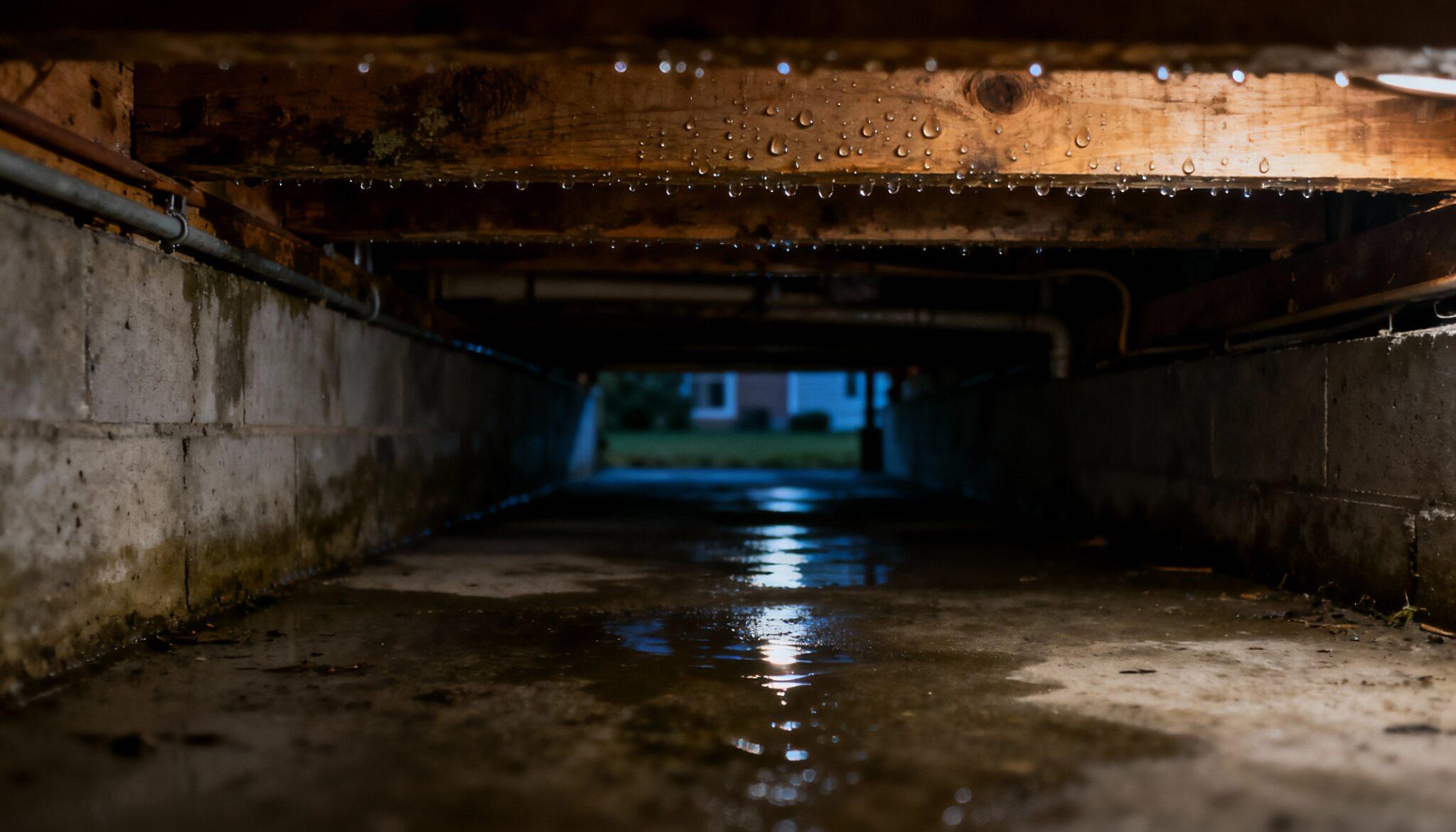
While the dehumidifier is running, place 2 to 4 fans around the room, angled at about 45 degrees toward the floor. This creates a circular airflow. If there is a crawl space or open joist cavity below the damaged wood floor, place a fan on the lower level blowing upward – this helps dry the subfloor from below.
Step 6: Check for Mold
After 24 hours of drying, inspect the wood surface and its gaps. If you see black, green, or white spots, mold has started to grow.
How to treat it:
Mix 1 tablespoon of baking soda with 1 liter of water. Dip a soft brush into the solution and scrub the moldy areas. Then vacuum the liquid with a wet vacuum and continue dehumidifying.
Step 7: Moisture Test
Use a wood moisture meter to check the moisture content at different spots on the floor. For solid hardwood, the normal range is 6%–12%. If the reading is still above 15%, keep running the dehumidifier and fans until the value drops.
Note: Solid wood floors can take several weeks to dry completely. Please be patient.
Step 8: Assess Whether Replacement Is Needed
Solid hardwood / engineered wood – If after the above steps there is no obvious warping, crowning, or cracking, the floor can usually be kept.
Laminate (composite) flooring – Because the core is made of wood fibers or MDF, it swells and delaminates easily when wet. Once bubbles or separation appear, the damaged planks must be replaced – they cannot be repaired.
Prevention Is Better Than Cure – Let Moiswell Protect Your Home
Instead of scrambling after a leak, equip your home with a Moiswell dehumidifier in advance. Whether for your basement, laundry room, or open-concept living area, our products automatically maintain the ideal humidity level, reducing the risk of moisture-related floor damage from the start.
Visit the Moiswell official website today to find the right dehumidifier for your home. Order now and enjoy limited-time discounts and a 5-year warranty!
Conclusion
Water-damaged wood floors are not a lost cause. Just follow the sequence:
Power off → Remove water → Clean → Dehumidify vigorously → Circulate air → Check for mold → Test moisture
You can maximize the chance of saving your floor. And a reliable Moiswell dehumidifier is the “workhorse” you need for this process.